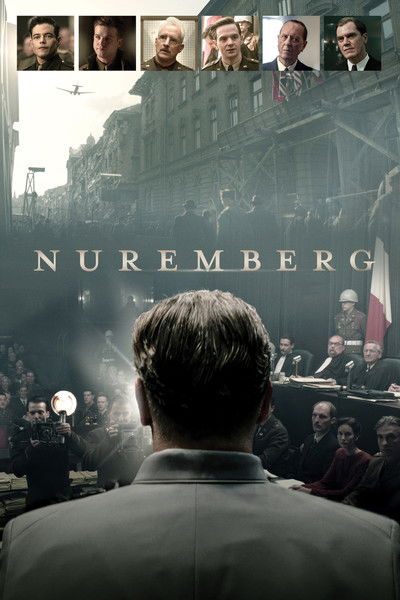
Nuremberg★
Currently Streaming
This title is available to watch on Netflix. Our technical analysis confirms availability as of 02-21-26.
1. Deep Analysis:
In tackling the monumental legacy of the post-WWII tribunals, Nuremberg avoids the trap of sterile historical reenactment, opting instead for a psychologically acute study of accountability and the anatomy of complicity. The direction is remarkably controlled, trading sweeping cinematic bravado for a tense, claustrophobic intimacy. Much of the film's power is concentrated in dimly lit cells and austere interrogation rooms, where the camera lingers on the micro-expressions of men who held the world in a grip of terror. The performances are the film's undeniable engine; the lead actors deliver a masterclass in understated intensity, capturing the intellectual chess match between high-ranking defendants attempting to rationalize their atrocities and the prosecution clawing for systemic truth. The script operates with a sharp, forensic precision, honoring the historical gravity of the proceedings without sacrificing narrative flow or emotional resonance. It asks profound questions about the nature of justice: is it a pursuit of genuine truth, or merely a civilized mask for vengeance? While the courtroom sequences occasionally succumb to the weight of their own didacticism, the quiet, interpersonal dynamics carry an immense, lingering dread that resonates long after the credits roll.
As a Netflix release, Nuremberg serves as a crucial prestige anchor in a library that frequently struggles to balance mass-market entertainment with highbrow cinema. It sits comfortably alongside dialogue-heavy, intellectually demanding dramas like The Trial of the Chicago 7 and Mank. For a platform often criticized for prioritizing algorithm-friendly content, this film represents a deliberate investment in mature, slow-burn storytelling. It offers subscribers a demanding yet deeply rewarding alternative to the service's glossier, more sensationalized historical offerings, proving that historical gravity can still command a significant digital audience.
3. Comparative Value:
When measured against the gold standard of the subgenre - Stanley Kramer's monumental Judgment at Nuremberg (1961) - this modern iteration wisely refrains from trying to replicate its predecessor's sprawling legal scope. Instead, it finds its own identity by echoing the claustrophobic, dialogue-driven intensity of BBC's Conspiracy (2001). By focusing on the psychological machinery of the perpetrators rather than just the grand theater of the trials, the film provides a fresh, intimate perspective on a historical inflection point that has been dramatized many times before, making it a worthy and distinct addition to the canon of historical legal dramas.
4. PROS: Commandingly nuanced lead performances, psychologically claustrophobic interrogation scenes, sharp historical fidelity, evocative and moody cinematography
5. CONS: Occasional pacing lags in the transitional courtroom sequences, a slightly conventional narrative structure in its final act
FINAL TAKE:
Nuremberg is a gripping, intellectually rigorous drama that trades grand legal theatricality for a profound and unsettling psychological examination of the banality of evil. Guided by powerhouse performances and a sharp, disciplined script, it stands as a sophisticated addition to the historical drama genre. It is a highly recommended watch for viewers seeking a mature, thought-provoking exploration of justice and accountability. Reviewed on: flatscreen LCD with surround sound on 02-21-26
Quick Answers
Is Nuremberg streaming on Netflix?
Yes — as of August 2026, Nuremberg is streaming on Netflix.
How long is Nuremberg?
The runtime is 2h 29m.
How well was Nuremberg rated?
It holds 72% on Rotten Tomatoes and 7.4/10 on IMDb.
When was Nuremberg released?
It was released on February 21, 2026.
Explore More Guides
Enjoyed this review? Check out our definitive guide to the Best Drama Movies on Netflix.