Nosferatu★
By Adrian Bekele
Founder & Editor
Currently Streaming
This title is available to watch on Peacock. Our technical analysis confirms availability as of 04-21-26.
The Premise
# Deep Analysis
Our Expert Verdict
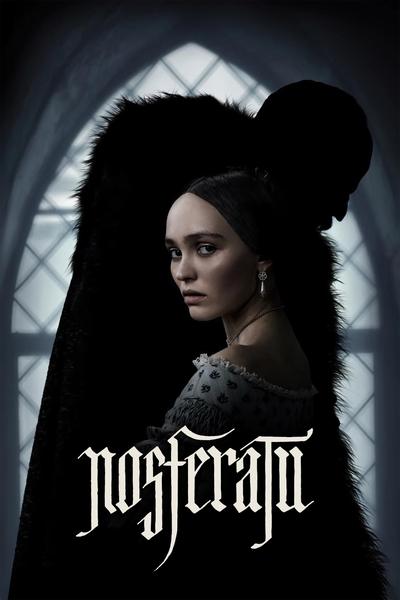
Robert Eggers' Nosferatu stands as a masterclass in atmospheric horror direction, translating F.W. Murnau's 1922 silent classic into a richly textured contemporary reimagining. Eggers' signature visual language - meticulous production design, chiaroscuro lighting, and deliberate compositional framing - elevates the vampire myth beyond jump-scare mechanics into genuine psychological dread. The direction moves with methodical precision, allowing tension to accumulate through long, unbroken takes and lingering shots of decay and shadow rather than relying on frenetic editing.
The performances anchor this philosophical approach. Klaus Kinski's haunting presence reverberates through the film's DNA, yet the cast finds fresh vulnerability within their roles. The human characters bear substantial emotional weight; Lily-Rose Depp brings fragile complexity to Ellen, a woman caught between desire and revulsion, while Nicolas Cage delivers a remarkably restrained turn as the obsessed Count Orlok. The script honors both the source material and Eggers' own thematic interests - exploring how corruption, sexuality, and mortality become inextricable in a feudal world consumed by plague and superstition. Pacing is deliberately languid; the film demands patience, building its nightmare logic through atmosphere rather than plot mechanics.
Thematically, Nosferatu operates as meditation on mortality itself. Orlok represents not merely predatory hunger but the ultimate dissolution of self - the vampire as inevitable decay personified. The script weaves Christian eschatology into the fabric of obsession and damnation, transforming the traditional love triangle into a complex exploration of spiritual and bodily corruption. Eggers refuses easy redemption or simple good-versus-evil binaries; instead, he presents a world where virtue offers little protection against inevitable darkness.
# Streaming Context
Nosferatu arrives on Peacock as an unexpected heavyweight - a prestige gothic horror film that elevates the platform's genre credentials considerably. Peacock's horror library has historically skewed toward contemporary mainstream fare and streaming originals. Eggers' meticulous period piece stands apart, offering cinephiles and serious horror enthusiasts a film that rewards multiple viewings and invites deeper analysis. It's precisely the type of culturally significant horror that distinguishes Peacock's theatrical exclusivity from its broader streaming catalog.
# Comparative Value
Within contemporary horror, Nosferatu sits alongside The Witch and The Lighthouse (both Eggers films) as exemplars of philosophical horror. Compared to recent vampire reimaginings like Fright Night (2011) or Let the Right One In (2008), Eggers' approach is more deliberate and baroque - less interested in subverting genre tropes than in excavating their existential implications. For those seeking Bram Stoker's Dracula (1992)-level visual ambition filtered through modernist sensibilities, this delivers. It's simultaneously more austere and more baroque than current genre peers.
# PROS
Extraordinary visual craftsmanship and atmospheric density, deeply earned emotional performances, thematic coherence that transcends horror conventions, period authenticity without sterility, Klaus Kinski's legacy honored through conceptual reinvention
# CONS
Deliberate pacing demands patience and may frustrate mainstream horror audiences, occasionally sacrifices narrative momentum for aesthetic accumulation
# FINAL TAKE:
Nosferatu is essential viewing for horror enthusiasts and Eggers devotees alike - a film that treats gothic literature with genuine reverence while constructing something philosophically substantial. It's a rare mainstream release that refuses compromise, proving that horror's most profound effects arrive through restraint and contemplation rather than spectacle. Reviewed on: flatscreen LCD with surround sound on 04-21-26
The performances anchor this philosophical approach. Klaus Kinski's haunting presence reverberates through the film's DNA, yet the cast finds fresh vulnerability within their roles. The human characters bear substantial emotional weight; Lily-Rose Depp brings fragile complexity to Ellen, a woman caught between desire and revulsion, while Nicolas Cage delivers a remarkably restrained turn as the obsessed Count Orlok. The script honors both the source material and Eggers' own thematic interests - exploring how corruption, sexuality, and mortality become inextricable in a feudal world consumed by plague and superstition. Pacing is deliberately languid; the film demands patience, building its nightmare logic through atmosphere rather than plot mechanics.
Thematically, Nosferatu operates as meditation on mortality itself. Orlok represents not merely predatory hunger but the ultimate dissolution of self - the vampire as inevitable decay personified. The script weaves Christian eschatology into the fabric of obsession and damnation, transforming the traditional love triangle into a complex exploration of spiritual and bodily corruption. Eggers refuses easy redemption or simple good-versus-evil binaries; instead, he presents a world where virtue offers little protection against inevitable darkness.
# Streaming Context
Nosferatu arrives on Peacock as an unexpected heavyweight - a prestige gothic horror film that elevates the platform's genre credentials considerably. Peacock's horror library has historically skewed toward contemporary mainstream fare and streaming originals. Eggers' meticulous period piece stands apart, offering cinephiles and serious horror enthusiasts a film that rewards multiple viewings and invites deeper analysis. It's precisely the type of culturally significant horror that distinguishes Peacock's theatrical exclusivity from its broader streaming catalog.
# Comparative Value
Within contemporary horror, Nosferatu sits alongside The Witch and The Lighthouse (both Eggers films) as exemplars of philosophical horror. Compared to recent vampire reimaginings like Fright Night (2011) or Let the Right One In (2008), Eggers' approach is more deliberate and baroque - less interested in subverting genre tropes than in excavating their existential implications. For those seeking Bram Stoker's Dracula (1992)-level visual ambition filtered through modernist sensibilities, this delivers. It's simultaneously more austere and more baroque than current genre peers.
# PROS
Extraordinary visual craftsmanship and atmospheric density, deeply earned emotional performances, thematic coherence that transcends horror conventions, period authenticity without sterility, Klaus Kinski's legacy honored through conceptual reinvention
# CONS
Deliberate pacing demands patience and may frustrate mainstream horror audiences, occasionally sacrifices narrative momentum for aesthetic accumulation
# FINAL TAKE:
Nosferatu is essential viewing for horror enthusiasts and Eggers devotees alike - a film that treats gothic literature with genuine reverence while constructing something philosophically substantial. It's a rare mainstream release that refuses compromise, proving that horror's most profound effects arrive through restraint and contemplation rather than spectacle. Reviewed on: flatscreen LCD with surround sound on 04-21-26
Quick Answers
Is Nosferatu streaming on Peacock?
Yes — as of September 2026, Nosferatu is streaming on Peacock.
How long is Nosferatu?
The runtime is 133 min.
How well was Nosferatu rated?
It holds 85% on Rotten Tomatoes and 7.1/10 on IMDb.
When was Nosferatu released?
It was released on April 21, 2026.
Explore More Guides
Enjoyed this review? Check out our definitive guide to the Best Horror Movies on Peacock.